Google Translate’s Real-Time Audio Feature Makes Language Barriers Disappear
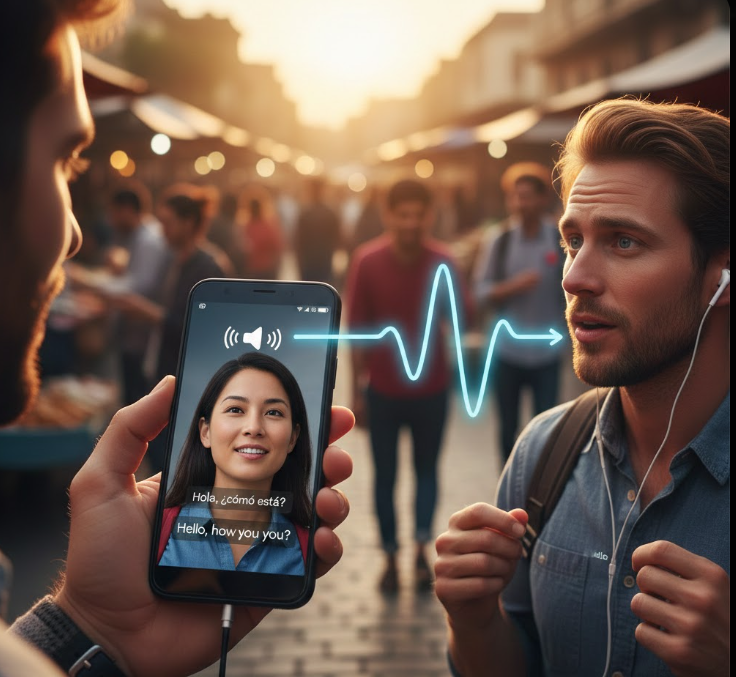
Meanwhile, Google Translate has taken yet another huge leap toward making communications across borders seamless by introducing real-time audio translation for headphone users. Targeted at users who would rather listen than read, this new feature instantly translates foreign languages spoken into instant, translated audio delivered right through compatible headphones. It’s a practical, inclusive upgrade that smooths conversations, eases travel, and makes everyday interactions more accessible than ever before.
Real-time audio translation brings conversations to your ears.
The most impactful part of this update is how naturally it fits into real-world conversations. Instead of staring at your phone screen, users can now listen to translated speech in real time. This makes interactions feel more human and less disruptive, especially in situations like travel, meetings, or casual conversations where constant reading isn’t convenient or comfortable.
Translation using headphones ensures heightened privacy and comfort while listening.
By routing translations through headphones, Google adds a layer of privacy to conventional, speaker-based translation. It allows users to receive translations discreetly and not draw attention or blurt out sensitive information in public. This comes in really handy in professional settings, crowded public spaces, or one-on-one conversations where discretion matters.
Ideal Solution for Travelers to Pass Easily When in a Foreign Language Environment
For travelers, this feature is a real game-changer. Airports, public transportation, restaurants, and guided tours will all be much easier to get through once the translations come directly into your ears. Instead of having to stop and read text translations, users can maintain interactions with their environment while still knowing what’s being said.
Accessibility Extends Beyond Conventional Reading Constraints
This update isn’t merely about convenience; it’s about accessibility, too. In particular, users who have visual impairments, difficulty reading, or even trouble processing language can get a lot more out of audio-based translations. By placing such an emphasis on spoken output, Google Translate becomes far more inclusive, ensuring that language tools actually serve a greater swath of users.
Languages supported continuously improved, as well as the accuracy.
The accuracy of translation from Google has only gotten better with years, and this feature in audio builds upon the progress. While not every single pair of languages is perfect, real-time audio translation can be accurate enough for everyday communication. In fact, as Google keeps refining its AI models, users can expect translations to get even smoother and more natural-sounding over time.
Translation at the touch of your voice and literally fitting seamlessly into your daily grind.
One of the biggest strengths with this feature is how naturally it integrates into daily life. Whether walking around a city, going to work, or attending an international event, users can rely on hands-free translation without any interruption in their flow. This reduces friction and makes multilingual interactions feel far more natural.
Google Translate Keeps Expanding Beyond Simple Text Conversion
That seals the deal for an update on how Google Translate has moved from a mere text-based tool to a full-fledged communication assistant. By doing so, Google recognizes that people process information in very different ways. It’s all about real-time understanding, accessibility, and focusing on human-centered design. With real-time audio translation for headphone users, Google Translate removes one more barrier that comes between people and languages. For those who aren’t big readers-or just want a more natural way to communicate-this feature delivers convenience, inclusivity, and freedom in one powerful update.
More Like This: Tired of Google Search? Discover The Best AI Search Engines
News Source: Pcmag.com