Windows 10’s Billion-User Problem: The Upgrade That Never Happened
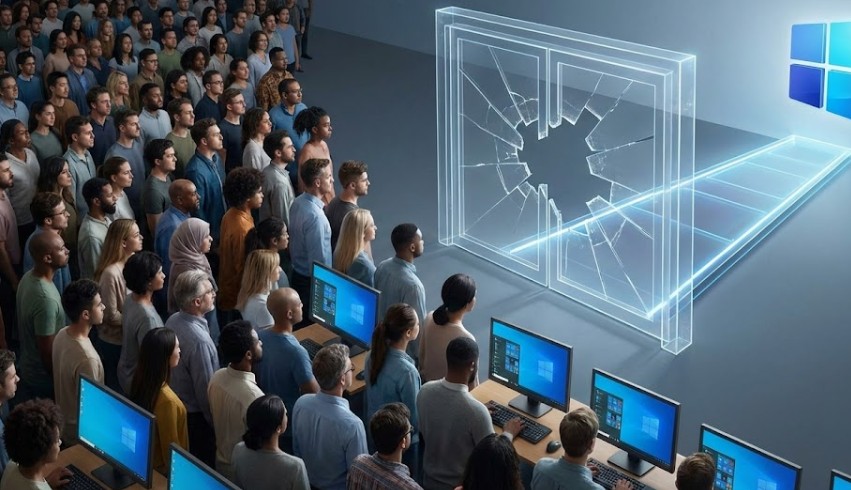
Amidst every security incentive being offered for Windows 11, about 1 billion PCs are still running Windows 10.
That number is indicative of massive millions of users who either can’t or won’t upgrade, underlining the victories of resistance physics within the PC ecosystem.
Many Systems Cannot Meet Windows 11 Hardware Requirements
About half of these Windows 10 machines are simply not upgradeable because they cannot meet Windows 11’s hardware and security specifications.
That keeps them on an operating system that doesn’t even have any support, except for those who would like to upgrade.
Users Delay Transition Due To Hardware or Compatibility Concerns
Some stay with Windows 10, even when their PCs are in fact compatible. One PC-maker estimates half a billion capable systems are still unchanged!
Reasons include fears of performance loss, interface changes, and more.
End Of Support Meaning No More Security Updates
Microsoft no longer provides security patches, feature updates, or technical assistance since the free support of Windows 10 was terminated on October 14, 2025.
That is new for Windows 10: users are exposed to stronger cyberthreats than ever today from new malware and other exploits emerging constantly.
Businesses And Enterprises Face Growing Compliance and Risk Issues
For those companies still reliant on Windows 10 — in particular, those corporate machines running old generations of hardware — the clock is ticking on compliance and privacy.
Some enterprises that cannot afford to upgrade must content themselves with vulnerabilities in security and privacy, especially in relation to sensitive data.
Upgrade Hesitation Undermines Push for Modern AI-Ready Systems
The delay, of course, is partly due to new operating systems’ increasing hardware requirements. The AI, advanced security, and high-performance workloads that these systems would typically need new CPUs and chipsets — often lacking in older machines.
Many Users Prefer Familiar Stability Over Uncertain Changes
For a large portion of the user base, Windows 10 still feels familiar, stable, and good enough, therefore overshadowing the new features or upgrades. Once again, the perceived risk of change discourages the act of changing, especially where their current working setup runs smoothly.
The 2026 Deadline Reinforces Urgency for Thoughtful Upgrades Ahead
While a limited time might still carry with it extended support and patches, the design lifecycle of the software, in essence, states that the safety zone of Windows 10 is closing.
Users and enterprises will have to consider their hardware readiness; alternative systems or upgrading may be needed so as not to find themselves stuck on a vulnerable or obsolete one very soon.
With a billion PCs still on Windows 10 in late 2025, it is clear that no small number of users were willing- or compelled- not to upgrade. Whether it was a question of incompatible hardware, workloads locked in legacy environments, or plain inertia, these holdouts pose a considerable challenge for both its users and Microsoft. The big question for 2026 and beyond: will these machines be upgraded, replaced, or left behind in a rapidly evolving software world?
News Source: PCmag.com
Read Also: Watch 2025 Again: How to Find Your YouTube Year-End Recap