If you thought the laptop wars were cooling down, you might want to grab some popcorn. The battle for the best budget-friendly laptop just took a fiery turn, and this time, it’s playing out across social media with millions of eyes watching.
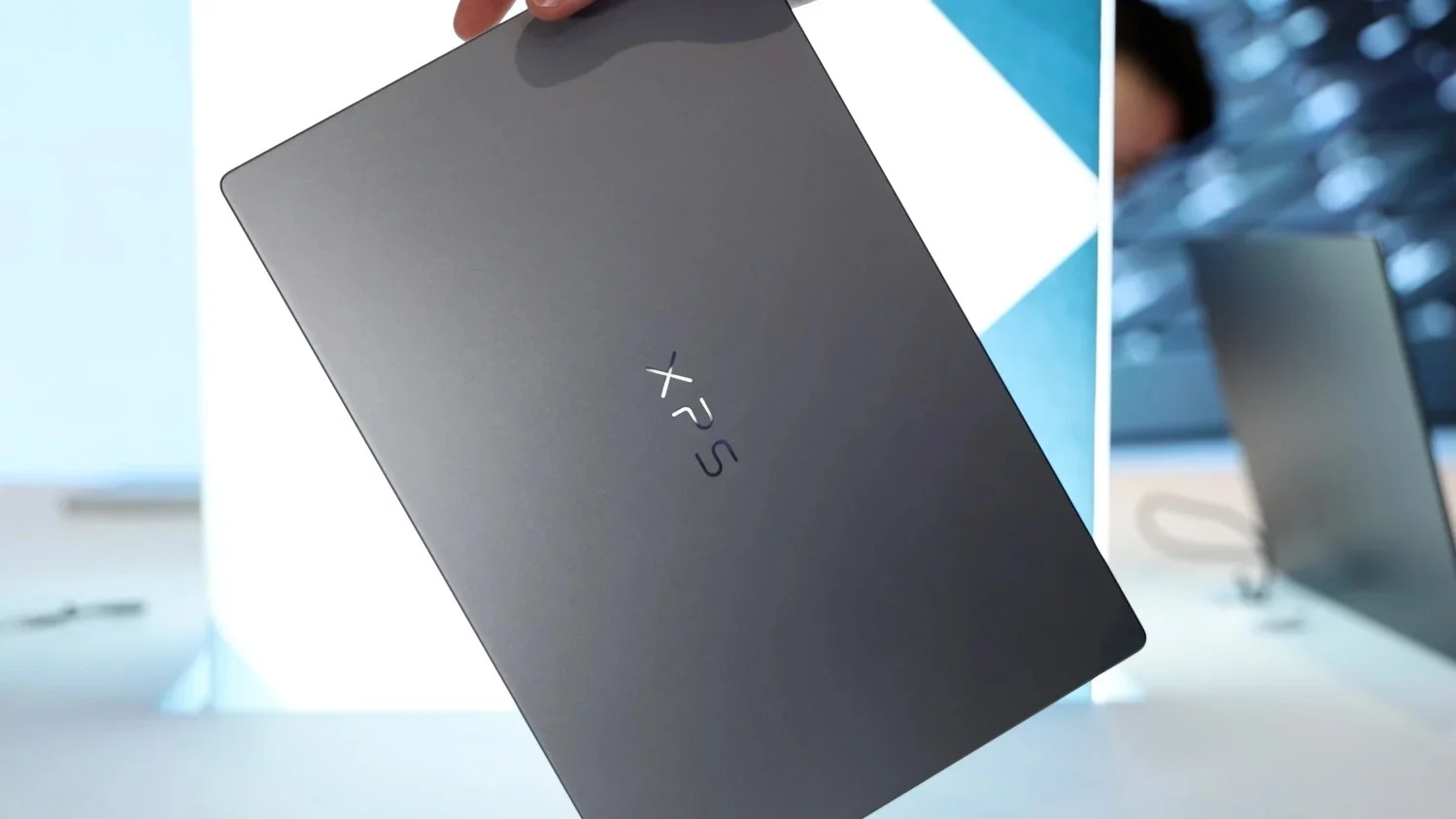
For the past few months, Apple’s heavily hyped MacBook Neo has been the undisputed darling of the tech world. It promised the holy grail of modern computing: Apple’s legendary build quality, an ultra-efficient processor, and macOS smoothness, all packaged at an incredibly accessible price point. It felt like a guaranteed slam dunk for students, casual users, and freelancers on a strict budget. But Microsoft isn’t about to sit back and let Apple monopolize the entry-level spotlight. In a surprisingly direct and aggressive move, the software giant has just clapped back, touting Dell’s brand-new $699 XPS 13 as the ultimate Windows alternative.
This clash feels like a modern reincarnation of the iconic “I’m a Mac, I’m a PC” commercials from the 2000s, only this time it’s happening in real-time on social media. The ensuing drama has everything we love about tech rivalries: viral videos, corporate shade, controversial pricing, and a fierce battle over hardware specs. Let’s dive into exactly what went down, how the AI boom is unexpectedly ruining laptop prices, and what it all means for anyone looking to buy a new machine this year.
The Viral Spark That Started the Fire
To understand why Microsoft is suddenly playing defense—and offense—you have to go back to a viral social media clip from April. A user posted a highly critical video comparing Apple’s sleek MacBook Neo side-by-side with a Windows-powered HP Victus laptop that retailed for the exact same price.
The comparison was, frankly, brutal. The short video showcased the HP Victus sporting a heavy, chunky chassis, a display panel that wobbled like a leaf in the wind with the slightest touch, and a trackpad that looked distinctly cheap next to Apple’s minimalist design. The narrative practically wrote itself: If you only have limited cash to spend, why on earth would you buy a flimsy Windows plastic box when you could have a beautifully crafted MacBook?
The video racked up millions of views, hitting a raw nerve for Windows fans and executives alike. For years, the budget Windows laptop market has been plagued by necessary compromises. You could find cheap machines, sure, but they usually felt cheap. Apple, meanwhile, was riding high on the perception that even its entry-level machines felt premium. Microsoft knew they had to change the conversation, and they needed the right hardware to do it.
Microsoft’s Calculated Clapback
Enter the Dell XPS 13. Fresh off a strong showing at the Computex tech expo in Taiwan, the new XPS 13 is Dell’s attempt to bring flagship-level aesthetics to the mainstream market.
On Monday, Microsoft’s official Windows account took to X (formerly Twitter) to post a direct response to that viral April video. They didn’t use an HP Victus this time. Instead, they showcased the stunning new XPS 13, pointing out everything it brings to the table that the MacBook Neo completely misses.
The video highlighted the Dell’s scratch-resistant casing and its exceptionally sturdy display panel—a direct nod to the “flimsy” accusations leveled at the HP Victus. But Microsoft didn’t stop at build quality; they went after functionality. The promo heavily emphasized the XPS 13’s gorgeous touch screen and its backlit keyboard. If you’re keeping score at home, those are two highly requested features that the low-cost MacBook Neo simply does not offer in its base configuration.
Dell quickly jumped into the fray, fanning the flames with a quote tweet of their own: “A great Windows experience starts with great hardware.” It was a unified front from two tech behemoths, sending a clear message: the days of cheap-feeling Windows laptops are over.
The Elephant in the Room: The 8GB RAM Dilemma
While the Dell XPS 13 definitely looks the part, the spec sheet has sparked a fierce debate among tech enthusiasts. At the newly contested $699 price point, both the Dell XPS 13 and the Apple MacBook Neo share a frustrating limitation: they both start with just 8GB of RAM.
In today’s computing landscape, 8GB of memory is a tough pill to swallow. It is barely enough for basic web browsing, word processing, and light media consumption. If you like to keep dozens of browser tabs open while running Spotify, a chat app, and maybe a photo editor, you are going to feel the squeeze very quickly.
This is where the software differences really come into play. Many users argue that Apple’s macOS is far more efficient at managing limited memory than Windows. Windows has historically been criticized for carrying more background tasks and pre-installed software, which can eat up precious RAM before you even open a browser.
For the XPS 13, power users will tell you that you really want to upgrade to 16GB of RAM to get a machine that will last you for years to come without stuttering. But here is the kicker: jumping from 8GB to 16GB on the Dell XPS 13 will run you $899. Suddenly, that $699 budget laptop isn’t quite as budget-friendly.

The AI Shortage and Apple’s Costly Misstep
So, who is actually winning this fight? A week ago, the answer would have easily been Apple. But the landscape just shifted dramatically, thanks to forces entirely outside of the laptop market.
Until recently, the MacBook Neo held a massive advantage because it was noticeably cheaper. But last week, Apple quietly raised the prices on a slew of its products. The culprit? An industry-wide memory shortage driven by the massive, insatiable demand for Artificial Intelligence servers and components. Tech giants are buying up memory chips by the truckload to build AI data centers, leaving consumer electronics scrambling for scraps. This “AI-driven memory shortage” forced Apple to bump the starting price of the MacBook Neo up by $100.
At its old price, the MacBook Neo was a runaway train. But at $699, it is now sitting at the exact same starting price as the Dell XPS 13. Apple’s unavoidable price hike effectively wiped out its biggest competitive advantage, leveling the playing field and turning this into a true heavyweight bout.
With the prices matched, the Dell XPS 13 is looking incredibly tempting. It boasts a slightly larger 13.4-inch display, that coveted touch screen functionality, and a premium feel that rivals anything rolling out of Cupertino.
The Final Verdict: Which Side Are You On?
The budget laptop market hasn’t been this exciting in years. Microsoft and Dell’s aggressive pushback proves that they are finally taking Apple’s entry-level threat seriously. They are tired of losing the PR battle, and they finally have a machine that can go toe-to-toe with Mac aesthetics.
If you are currently in the market for a laptop under $700, your choice comes down to what you value most. The MacBook Neo still holds massive appeal for anyone who prefers the simplicity and security of macOS, seamless integration with their iPhone, and the legendary battery life that Apple’s proprietary silicon provides. It is still arguably the safer bet for someone who just wants a computer that “works.”
On the flip side, if you want a touch screen, a backlit keyboard, a slightly larger display, and the unparalleled software flexibility of Windows, the Dell XPS 13 is making an incredibly compelling case.
Whatever you choose, there is one clear winner in this escalating tech war: you, the consumer. With tech giants fighting tooth and nail over the $699 price point, we are finally getting the premium, beautifully crafted, budget-friendly laptops we’ve deserved all along. Keep your eyes peeled—if this rivalry gets any hotter, the next generation of laptops is going to be absolutely spectacular.